
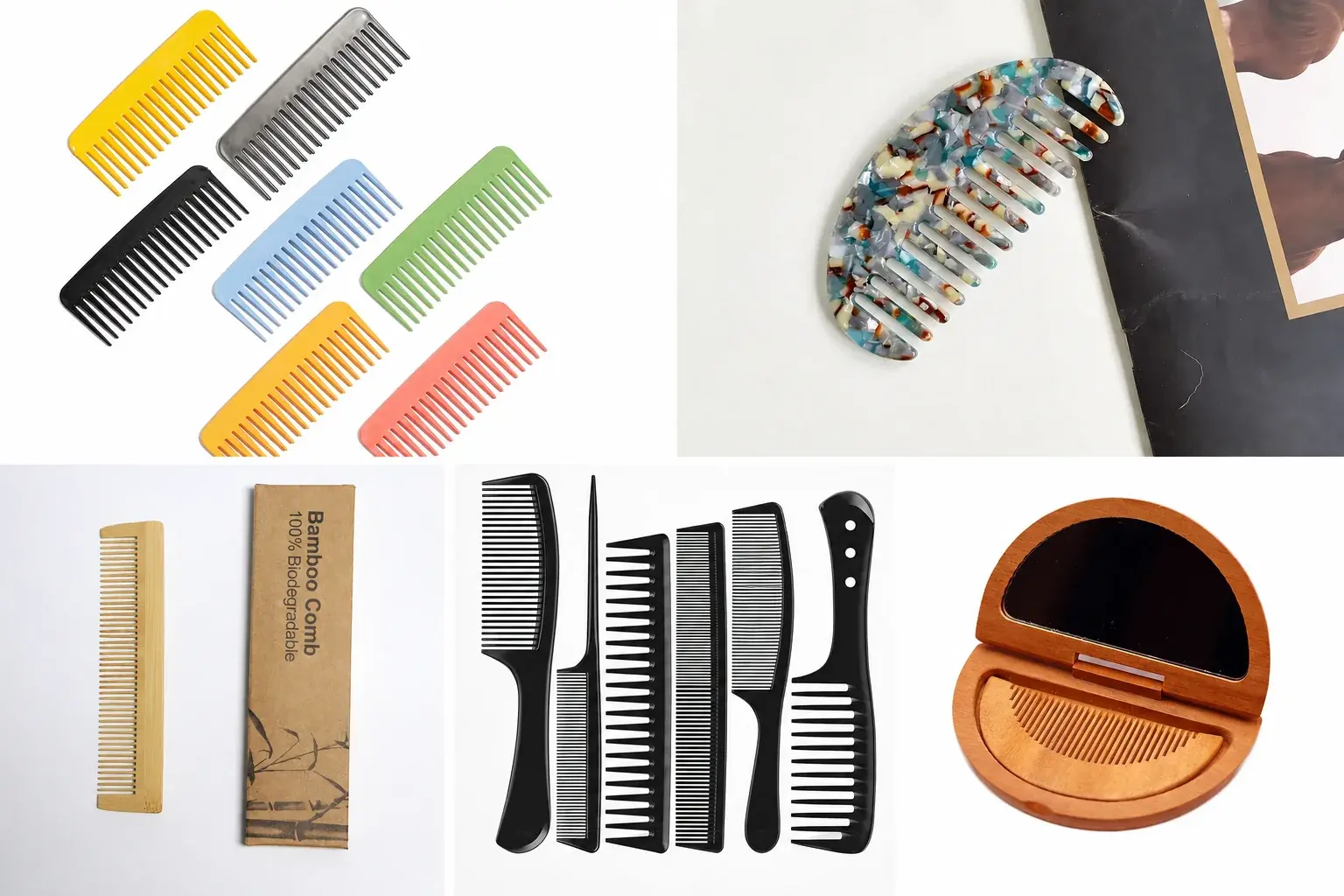
A buyer may ask for 500 combs and expect the quantity alone to settle the MOQ. If those 500 pieces share one shape, one color, one logo, and one package, they form a straightforward production group. Split the same quantity evenly across five colors and two logo artworks, and the order becomes ten groups of 50. Add several retail pack languages and the supplier has another set of versions to prepare.
This is why two orders with the same total quantity can receive different answers. LuxoComb accepts custom comb projects from 50 pieces, but 50 pieces is the starting point for review. The selected material, structure, color, branding, packaging, and number of versions determine whether that starting quantity works for the actual design.
A useful MOQ discussion begins with one defined product. A complete custom comb product brief shows how the total order breaks down and gives the supplier enough detail to find the step that sets the minimum.
Where the minimum comes from
The practical MOQ can be set by any input or operation that has to be purchased, prepared, or run in a batch. Sometimes the comb itself is easy to make in a small quantity while the material is available only in a larger purchase unit. In another project, material is readily available but custom color preparation, printing, or packaging creates the higher minimum.
Production route matters here. Wood and bamboo combs pass through material selection, shaping, tooth cutting, sanding, finishing, and branding. Cellulose acetate starts as sheet material and is cut, machined, sanded, and polished. Many plastic combs are made by injection molding, where resin, color, mold, and machine setup all need review. The acetate and plastic comparison explains these production differences in greater detail.
Ask which material form will be used and whether it is already available. A stocked plastic color, an available acetate sheet, and a specially sourced patterned sheet can lead to three different quantity conditions. When the precise material is optional, tell the supplier which qualities must remain and where you have room to choose.
Existing shape and new tooling
Using an existing comb shape can remove a major development step. It gives the supplier a known geometry, an established process, and, for molded products, an available mold. The material, color, logo, and package still require their own review, so an existing shape does not guarantee the lowest possible MOQ.
A change to the outside profile, tooth spacing, handle, hinge, or another functional feature may require new tooling or a different production route. A new logo or color usually belongs to a separate part of the review. The guide on when a custom comb needs a new mold helps separate geometric changes from surface customization.
Describe the level of customization you need in plain terms.
- An available comb with your logo and chosen package
- An available shape with a different material, color, or finish
- A dimensional change to the body, teeth, handle, or folding structure
- A new molded product developed from a drawing
- A new sheet-cut or machined profile
These requests create different work before production begins. A quote based on an existing model cannot be carried over to a new geometry without another review.
Color can split one order
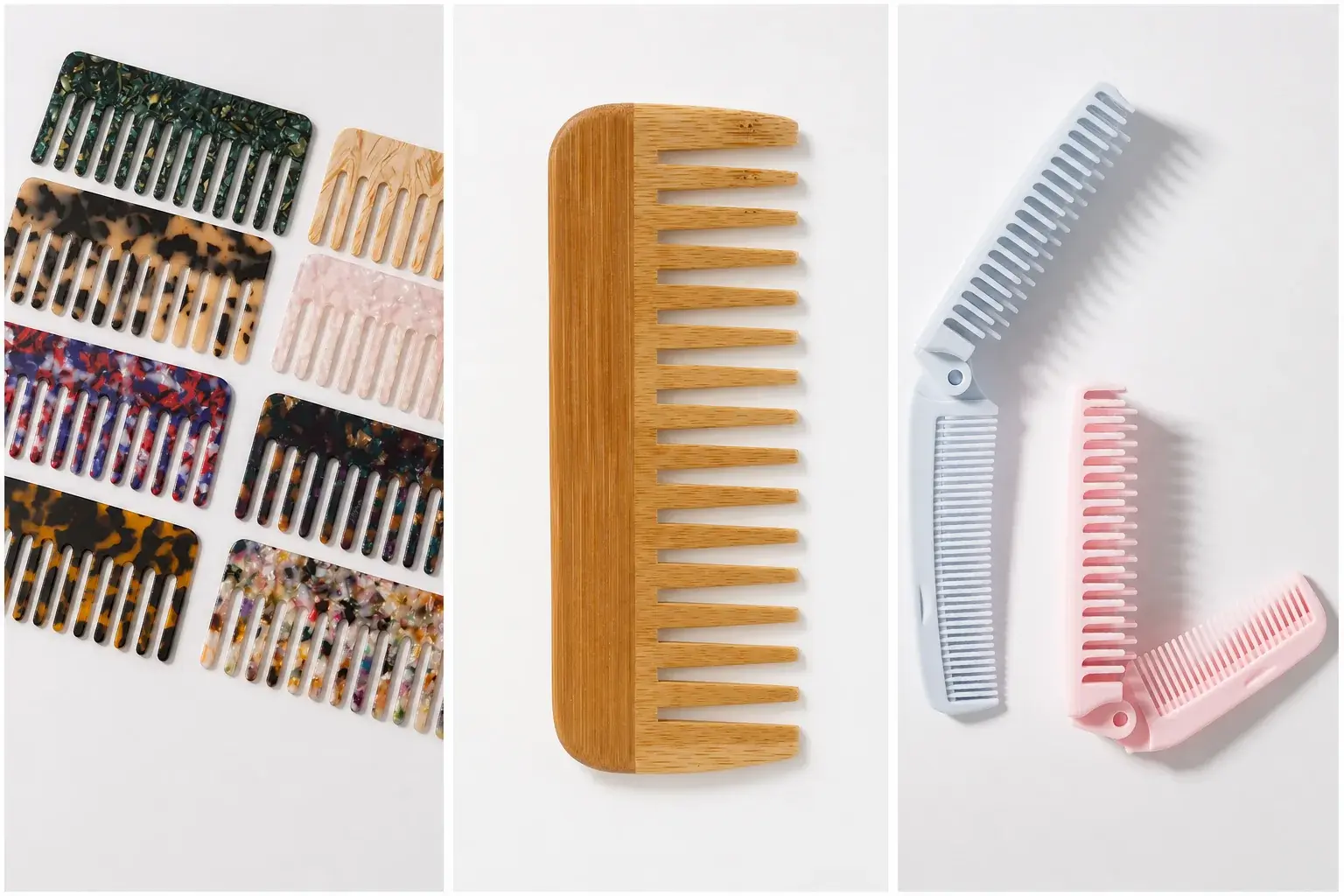
Color affects more than appearance. An available resin color, a custom Pantone match, a transparent effect, a patterned acetate sheet, a selected natural grain, and a special surface finish begin with different material and preparation needs. The Pantone color approval process may also call for a sample or material reference before bulk production.
The total quantity tells only half the story when an order includes several colors. A 500-piece order in one color creates one color group. Five colors at 100 pieces each create five groups, and each group has to be checked against the material and process minimum. A supplier may be able to combine some steps across the order while keeping color preparation separate.
Give the color reference, finish, quantity per color, and acceptable tolerance. If an exact match is unnecessary, ask which available colors suit the project. That single decision can simplify material sourcing while preserving the look you need.
Logo versions create separate setups
Printing and laser engraving, foil stamping, molded branding, embossing, and debossing use different artwork and production setups. Method selection depends on the comb material, logo area, surface, color count, placement, and expected wear. Clear vector artwork and dimensions make that review easier, as explained in the custom comb logo artwork guide.
Version count matters as much as logo method. One logo across 500 pieces is one artwork version. Five store logos at 100 pieces each are five versions. Personalized names may create many more. List every artwork and its quantity so the supplier can see whether the versions share a setup and how the order will be handled.
Regional text and language changes also count as artwork versions even when the brand mark remains the same. Include them in the first inquiry. Discovering extra versions after quotation can change the quantity breakdown and the work included.
Packaging may set a higher minimum
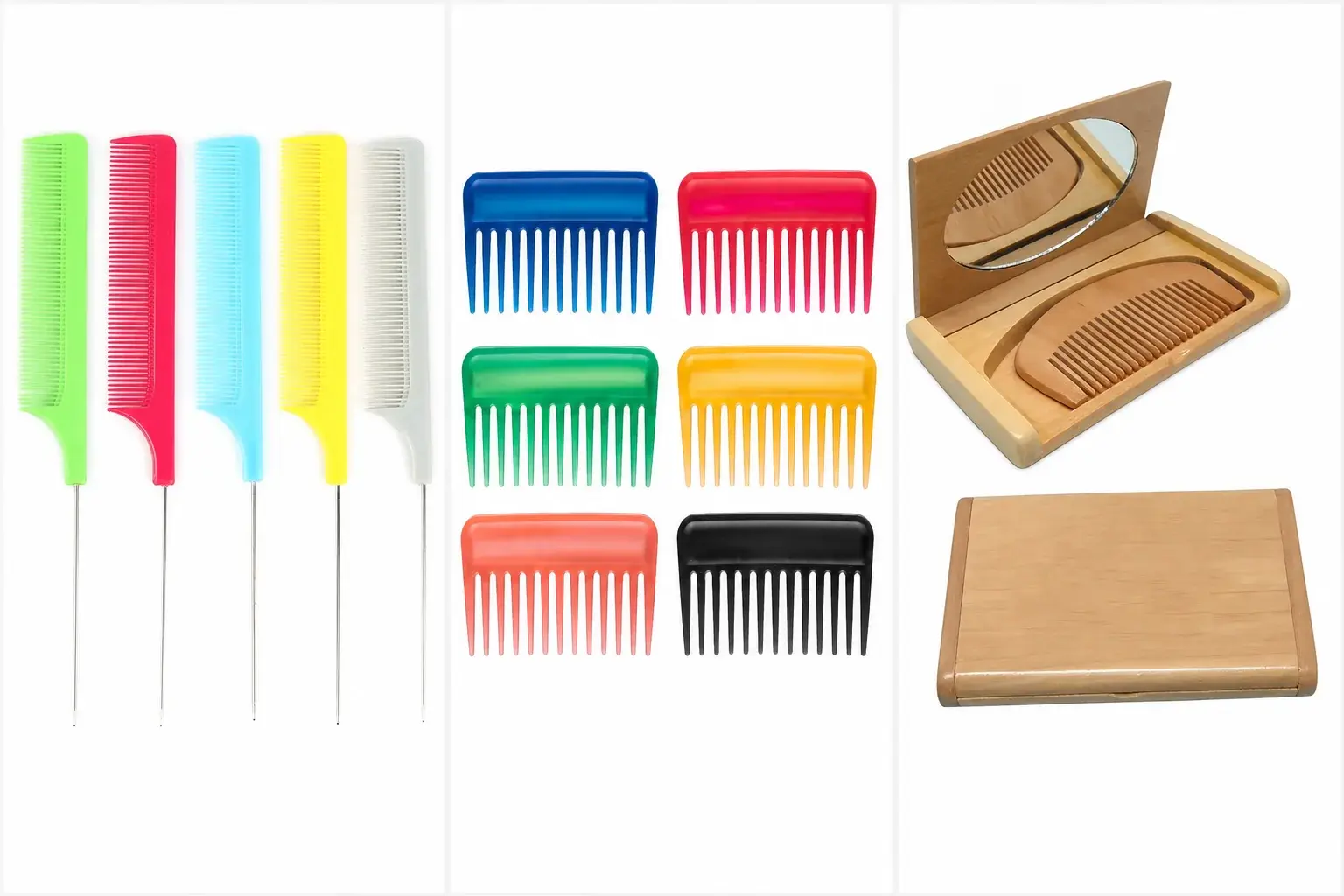
The comb and its package are connected parts of one product, yet they may follow different minimums. A plain sleeve, printed card, paper box, gift box, pouch, travel case, or individual hotel pack comes with its own materials, dimensions, print files, and supplier conditions. A custom comb packaging brief keeps those decisions visible.
Consider a comb that can be produced at the requested quantity while its custom printed box requires a larger batch. The package then becomes the limiting item. The buyer can review a plain pack, an available box, or a simpler printed component for the first order if those options still fit the product.
Define the following before asking for a final MOQ.
- The package type and material
- Plain stock or custom printing
- The number of package artworks and languages
- Labels, barcodes, instructions, and inserts
- Pieces per inner pack and export carton
- Any additional kit components and who supplies them
Ask for the comb MOQ and packaging MOQ to be shown separately when they differ. This reveals whether the extra quantity belongs to the product, the printed pack, or a specific pack version.
Tests and documents change the small order
A small trial order can still carry requirements that apply to a much larger program. Material declarations, product tests, recycled-content claims, destination-market requirements, and third-party services all need a defined scope. Their suitability and availability depend on the exact product and material.
If you need a test or document, name the destination market, requested standard, product, material, claim, and report scope. A general request for certification leaves too much open. The guides to recycled plastic custom combs and material documents and tests explain the information a supplier needs before confirming what can be provided.
These requirements may affect whether a 50-piece trial is practical for the selected configuration. Confirm them before sample approval so the quoted scope reflects the order you plan to place.
Send quantity per version
A useful MOQ inquiry reads like a small production plan. Send one complete scenario and include the following details.
- Comb type, intended use, reference, drawing, and dimensions
- Material, finish, color reference, and quantity per color
- Existing shape or new geometry
- Logo files, preferred method, position, and quantity per artwork
- Packaging format, print files, languages, and quantity per version
- Total target quantity and any expected repeat order
- Destination, required timing, documents, and tests
A table is often the clearest format for a multi-version order. Give every color, logo, package artwork, and quantity its own row. If a choice is still open, label it as flexible. The supplier can then identify the material or setup that controls the minimum and suggest an available option where appropriate.
A bare question about the MOQ for combs cannot produce the same quality of answer. It leaves the supplier guessing which comb, which material, and how many production versions are involved.
Ask what sets the minimum
When a quoted MOQ is higher than your target, ask where the minimum comes from. The answer may point to custom material, a color batch, new tooling, one logo version, or printed packaging. Once that cause is visible, you can decide whether the requirement is essential.
Several changes may make a smaller first order easier to review.
- Use an existing shape while keeping the logo and package custom
- Choose an available material or color close to the target
- Launch with one color or one artwork version
- Use a plain or available package for the trial order
- Combine regional versions where the product information allows it
Each option requires order-specific confirmation, and the right choice depends on what customers will notice and what the product must do. MOQ also needs to be read together with unit price, tooling, and setup charges. The lowest available quantity may carry a different cost structure from a larger run. The guide to custom comb cost and lead time covers that next part of the decision.
For a project-specific review, send the version breakdown through the contact page. The custom comb development process shows how the brief moves through drawing, sample, approval, production, and inspection.