
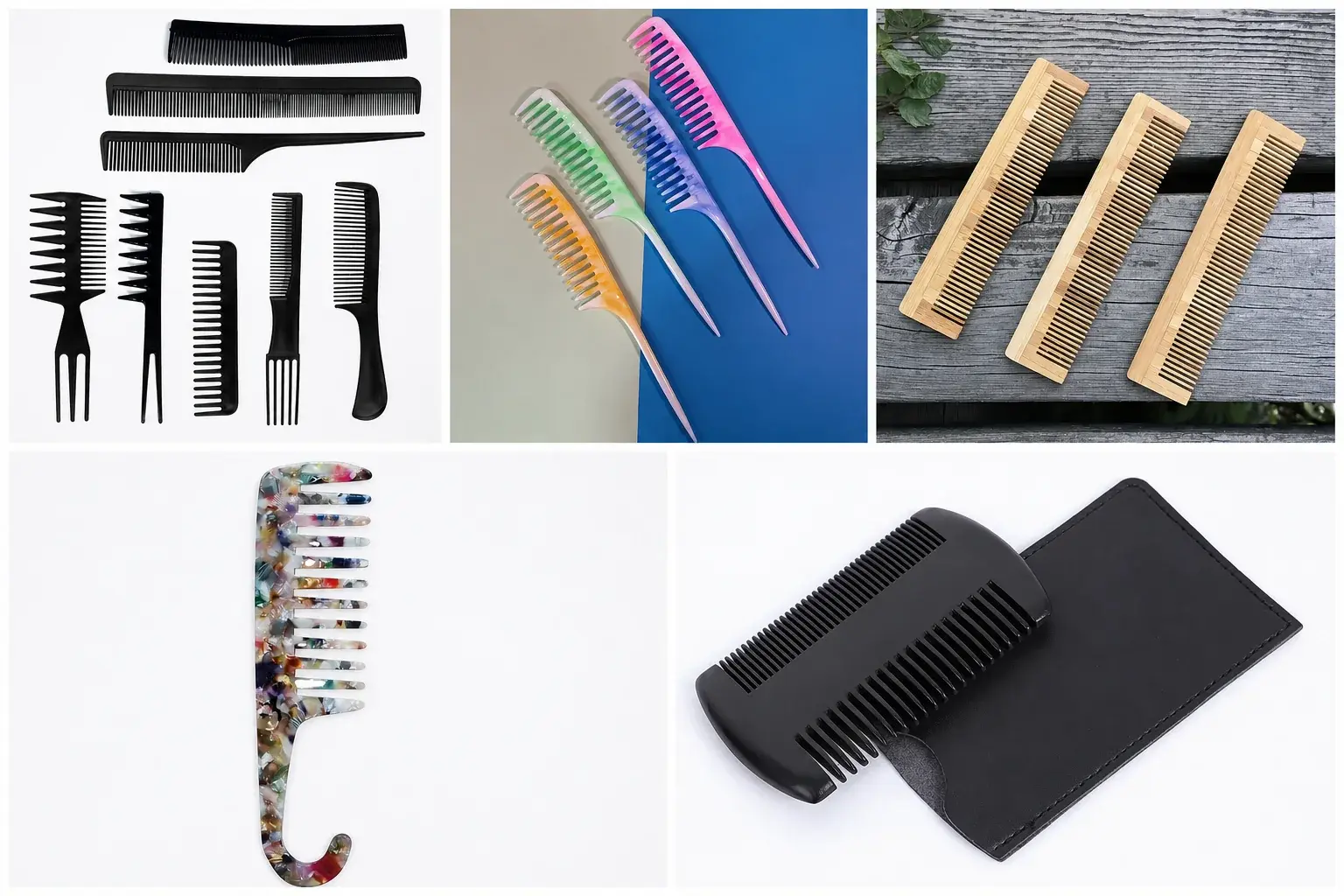
An approval email that says only “looks good” leaves the important questions unanswered. Which sample was reviewed? Which drawing controlled the dimensions? Was the color final? Did the buyer approve the printed box or only its shape? A supplier cannot turn two casual words into a complete production standard.
LuxoComb's confirmed baseline for bulk production is 28 days after sample approval. Changes to the specification, material, tooling, packaging, or test requirements can affect the final schedule. Sample approval therefore has a practical consequence. It can release the order into production, so the decision needs a clear product reference behind it.
The strongest approval record connects one physical sample with the latest product brief, drawing, color reference, logo artwork, and packaging specification. It also records accepted differences and any point that still needs work. The checklist below is designed to produce that record.
Decide what the sample can prove
A material chip can confirm a resin color or acetate pattern, but it says nothing about tooth smoothness. A logo test can show print clarity while the comb dimensions remain provisional. A packaging mock-up can prove fit before the final printed material is ready. Each sample has a job, and approval should stay within that job.
Ask the supplier to identify which features are representative and which are temporary. A sample may use the intended geometry with an available color, or it may show the final comb inside an unprinted box. Write those limits into the review before anyone marks the sample approved.
Photos and video can answer useful questions about general appearance, logo position, movement, and packing sequence. They are weaker evidence for true color, surface feel, tooth smoothness, precise dimensions, and the force needed to open a folding comb. Decide which checks need the physical sample in hand.
Put the sample beside the latest files
Open the approved files while the sample is on the table. Memory is a poor reference once several drawings and artwork revisions have passed through email. Use the latest versions of the following items.
- The product brief
- The dimensioned drawing or marked reference
- The material specification and physical color reference
- The logo artwork and placement drawing
- The packaging artwork and pack specification
- The current revision log
- Any agreed test or inspection requirement
Write the sample identifier and every file name, revision, or date on the approval record. If the logo sits in a different position on the sample and the placement drawing, the two references conflict. Resolve the difference and update the controlling file before production. Guessing which version should win simply moves the disagreement into the bulk order.
For a complex project, give each requirement its own line with the reference, review method, result, and comment. This makes conditional approval visible. It also gives the later inspection team a usable reference.
Confirm material and construction
Start with the exact material name used in the order. “Plastic” is too broad when the brief names a specific resin. “Wood” is incomplete when species, finish, and an acceptable appearance range matter. The sample record should use the same material description as the approved specification.
Different materials call for different checks. Wood and bamboo have natural grain and color variation, so the buyer needs an accepted range along with the selected surface treatment. The wood and bamboo comparison explains what to distinguish. Injection-molded plastic requires the selected resin, molded structure, color, and surface. Cellulose acetate requires the approved sheet pattern, thickness, cut profile, tooth work, sanding, and polishing. The acetate and plastic comparison shows why the two routes produce different evidence at the sample stage.
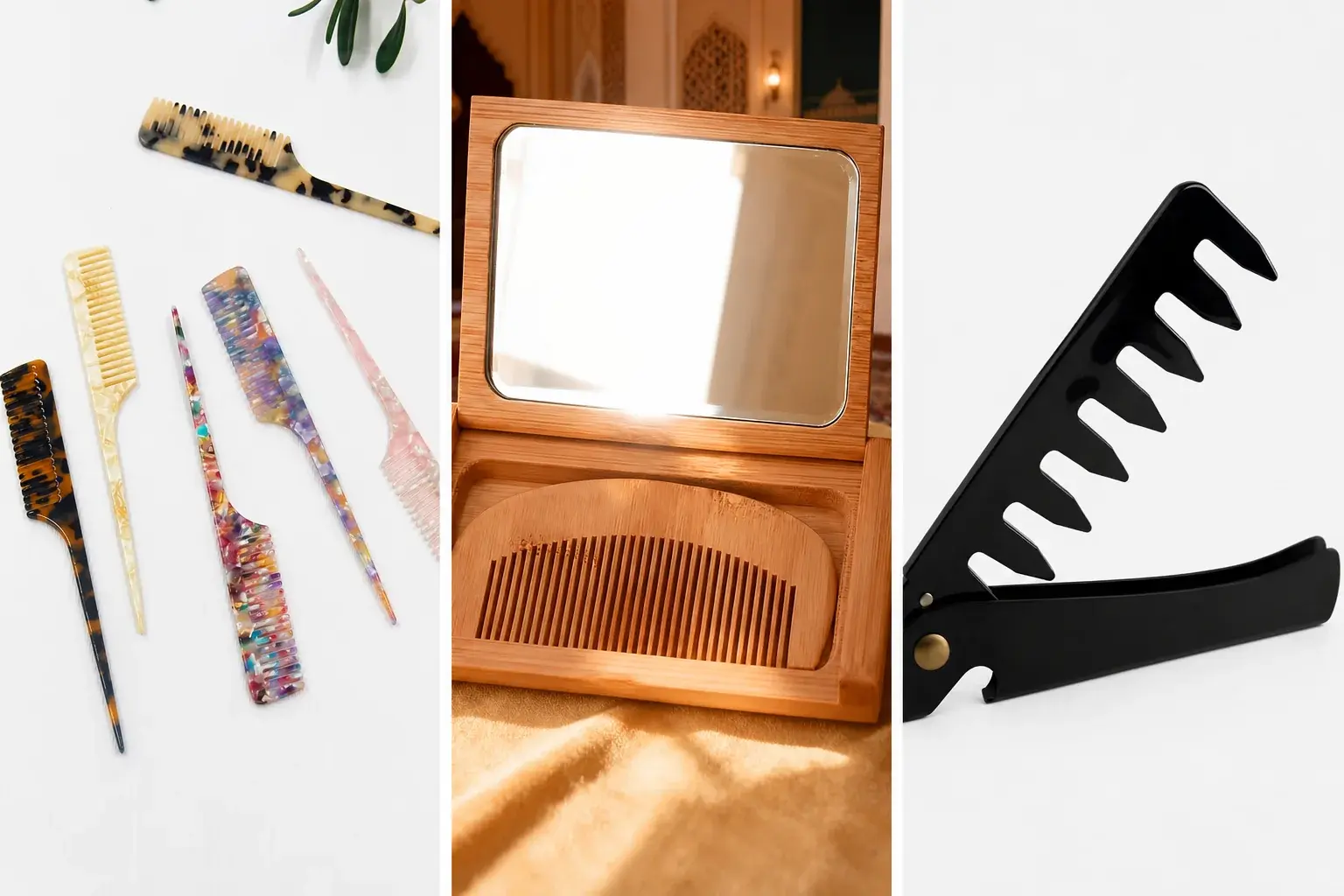
Check assembled construction as well. A folding comb includes a pivot and mating parts. A comb and mirror set includes fit between components. A decorative insert or attached element needs its location and attachment reviewed. Record any material declaration or test request separately with the exact product, material, and report scope.
Measure the dimensions that control use
Measure the features that affect use, assembly, and packaging. Overall length, width, thickness, handle size, tooth-zone length, tooth length, spacing, and profile may all matter, but their importance changes with the comb design. The dimension and tooth geometry guide helps identify which measurements deserve control.
A tail comb depends on tail length, shape, and straightness. A cutting comb relies on its tooth zones and overall profile. A pocket comb must fit its sleeve. A folding comb has to close correctly without the teeth striking the cover. These relationships tell you which measurements are critical. A long dimension list with no priorities gives the inspector plenty to record and very little guidance.
Use the agreed measurement method and tolerance for every critical item. If these details have not been confirmed, settle them before approval. One general tolerance should not be copied across wood, molded plastic, and machined acetate. Product type also changes the purpose of tooth spacing, so the drawing needs to reflect the intended use.
Follow every contact surface
A comb can look clean in a photograph and still feel wrong in the hand or hair. Inspect the tooth tips, both sides of the teeth, the roots between them, the outer edges, the spine, and the handle. Look and feel for burrs, sharp edges, rough transitions, unintended marks, warping, cracks, chips, and inconsistent finishing. The smooth tooth and edge checklist provides a more detailed route through these contact areas.
Judge the finish against the material and the approved reference. Polished acetate should show the agreed polishing quality. A wooden comb needs the selected sanding and surface treatment. A molded plastic comb may intentionally carry a texture. Applying the same description to all three would hide the very differences the review is meant to control.
Approve color and variation together
Compare color with the agreed physical reference under consistent, suitable lighting. A screen image can help communication, but displays and photographs can shift appearance. A Pantone target or physical color chip, approved acetate sheet, or signed material sample gives the decision a clearer reference.
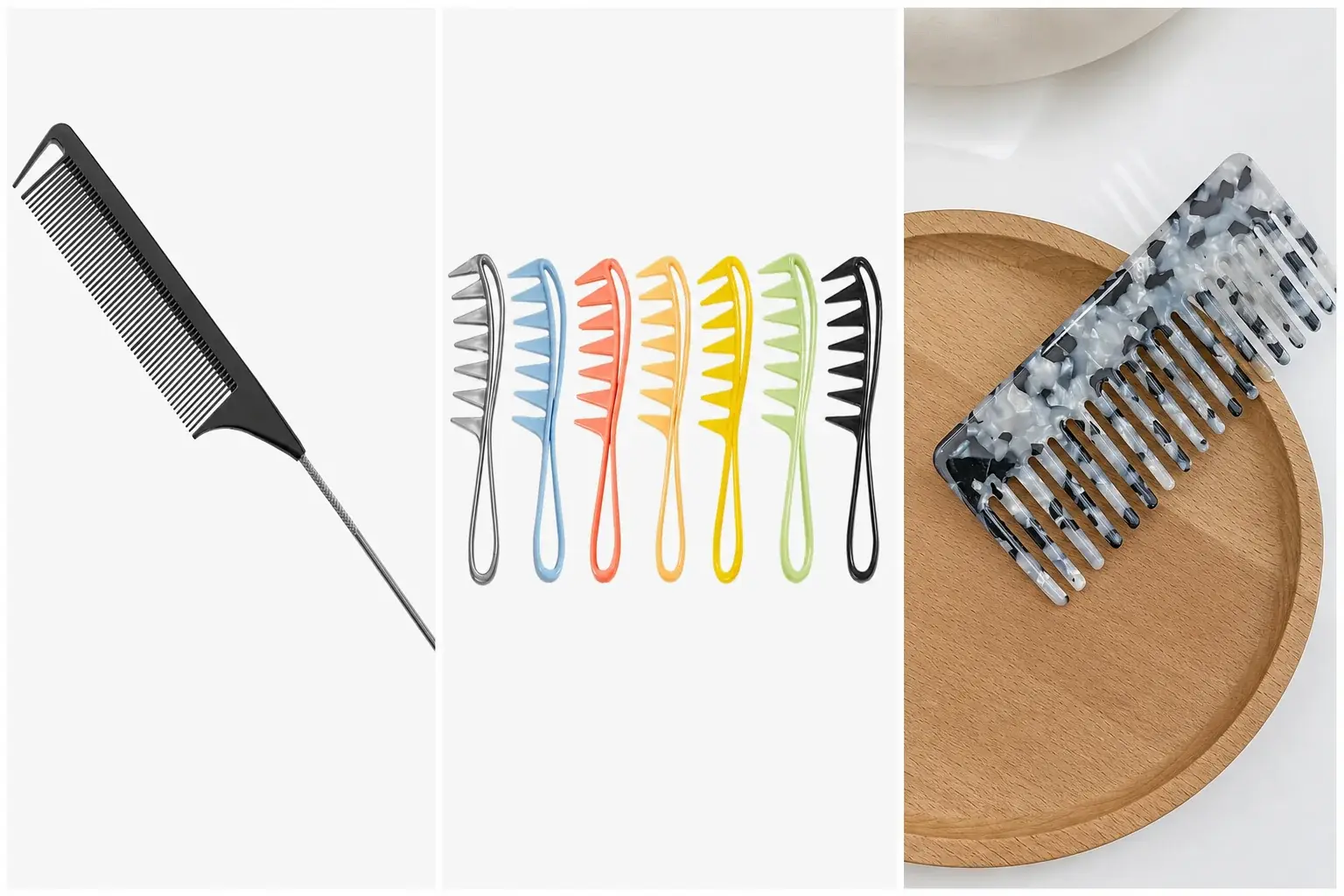
Some approvals need a range. Patterned acetate sheets can place colors and markings differently from piece to piece. Wood and bamboo vary in grain and shade. Record whether the buyer accepts one physical sample, an agreed visual range, or the general character of the material. Bulk pieces cannot be expected to copy every natural grain line or sheet pattern from one sample.
If color is provisional, write that plainly and keep it outside the final approval. Otherwise an approved shape sample can quietly become the color reference even though nobody intended that result.
Compare the logo with the artwork
Place the sample beside the approved artwork and placement drawing. The logo placement and print quality guide covers the main review points.
- Logo size and position
- Orientation and alignment with the comb
- Color, contrast, and print coverage
- Clarity of small text and fine lines
- Engraving depth or appearance where applicable
- Fit on the available surface and any agreed durability check
Method belongs in the approval too. Printing, laser engraving, foil stamping, and molded branding produce different results. A printed logo sample cannot approve the appearance of later engraving. When the method changes, review a relevant sample and update the artwork or process record.
Use the comb as a finished product
After the measurements and visual checks, use the sample in the way the product is intended to work. Hold it, guide it through the expected hair type, and check whether the grip and tooth arrangement suit the stated use. Review straightness where it affects styling or cutting. Confirm that a pocket comb enters its sleeve without catching.
Products with moving or fitted parts need their own sequence. Open and close a folding comb, check the pivot feel, and see whether the teeth remain protected when closed. Fit a mirror, cover, case, or other component in the intended orientation. Record the condition of the check and any limit on what the sample proves.
A visual inspection cannot answer these functional questions. A video documents movement only. The reviewer should say whether the feel, force, fit, and repeated operation were checked on the physical sample.
Approve the package in stages
Check the comb and package together. The package should hold the product in the intended orientation, protect the teeth and finished surfaces, and avoid pressure that can mark, scratch, or distort the comb. Confirm product fit against the packaging brief before approving a box or sleeve on appearance.
An early package mock-up may use plain material. In that case, approve its size, structure, opening, closure, and product fit while leaving print approval open. When the printed sample arrives, check artwork version, color, labels, barcode data, required inserts, sealing method, unit count, and carton information.
Keep the stages separate in the record. “Packaging approved” is too broad if the buyer has seen the dieline on screen, tested a plain box, and never reviewed the production print.
Give the sample one clear decision
End the review with one of three decisions.
- Approved means the identified sample and listed references can proceed.
- Approved with recorded conditions means named differences are accepted or named items remain subject to a later check.
- Revision required means production waits until the listed changes are corrected and approved through the agreed method.
A conditional approval needs exact language. Name the accepted difference, the open item, the person responsible, and the evidence required to close it. Photograph important areas, mark changes directly on the drawing or artwork, and retain the approved physical reference where practical. The production and inspection teams should be able to identify the same decision without searching through an email chain.
Treat every later change as a new decision
Approval fixes a version. A request made afterward creates a new version, even when the change sounds small. Record who requested it, which files changed, which product features it touches, and how it will be approved. A new logo position may leave the material approval intact while reopening the artwork and placement check. A thickness change can affect geometry, feel, packaging fit, and the drawing.
The next step depends on the risk created by the change. Some points can be closed with an updated drawing or marked photograph. Material, color, surface, structure, and function may call for a revised physical sample. Decide this with the supplier and keep the new evidence beside the original approval record.
LuxoComb's project process connects approval with material confirmation, production, inspection, and packing. Review the applicable customization options before signing the record, then send one dated decision with the sample and file versions clearly named.