
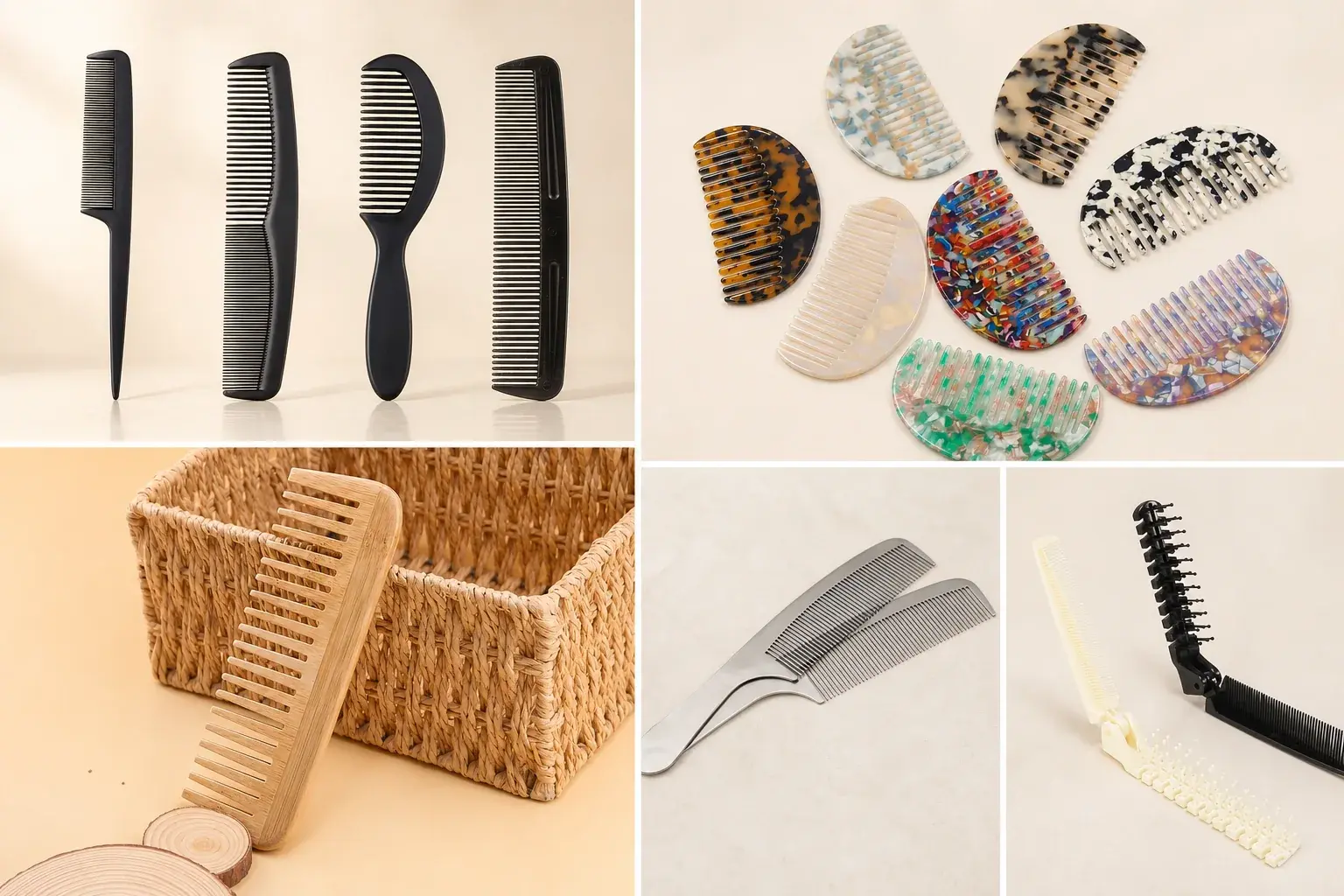
A buyer can write “OEM comb” in an inquiry and still leave the supplier unsure what to quote. Does the buyer already have a production drawing? Is the request for a logo on an available comb? Does the supplier need to develop the tooth layout and structure from a product idea? The label alone answers none of these questions.
OEM, ODM, and private label are used differently across companies. For a custom comb project, their value lies in showing the likely starting point. OEM usually begins with a buyer-defined product. ODM usually gives the manufacturer more development work. Private label usually begins with an available product format. The actual project is defined by the brief, quotation, drawings, sample record, and order documents.
Projects commonly begin with buyer-defined specifications, supplier-assisted development, or an available comb format. Before choosing a label, list what already exists, what still needs development, who supplies each input, and who approves every result. LuxoComb can review that defined scope through its standard project process. Tooling ownership, file rights, confidentiality, exclusivity, MOQ, price, and timing require their own written terms.
OEM starts with a defined product
An OEM project usually arrives with a developed product definition controlled by the buyer. That may be a dimensioned drawing, an approved physical reference, a detailed specification, or a set of files that identifies the intended geometry, material, appearance, and performance.
The buyer should prepare the following inputs.
- Intended use and product type
- Drawings, dimensions, and tooth geometry
- The selected material, finish, and color reference
- Logo artwork and placement
- Packaging structure and artwork
- Quantity per version, destination, timing request, and required tests or documents
The manufacturer reviews whether those inputs can be produced through the proposed material, process, tooling, branding, and packaging route. A feasibility change should appear in a revised drawing or specification and go back to the buyer for approval. Production should not quietly replace a buyer-controlled dimension or material with a convenient alternative.
OEM suits a brand that already knows what product it wants made. It still requires development discipline. The supplier and buyer need an agreed sample type, named inspection references, and a documented sample approval before bulk production.
ODM starts with a product goal
An ODM project usually begins earlier. The buyer may have a target user, grooming task, reference images, preferred material, price position, and brand direction without a production-ready drawing. The manufacturer contributes more work to turn that brief into a defined comb.
That work can include reviewing available formats, developing dimensions and tooth geometry, choosing a material and production route, preparing a drawing or rendering, considering tooling, and making a sample. Branding and packaging can develop alongside the product when they are included in the agreed product brief.
The buyer still makes decisions. “Please design a comb for our brand” gives no usable direction on hair type, grooming task, size, material, quantity, target market, branding, packaging, or cost position. The manufacturer can present options only after the buyer explains what the finished product needs to achieve.
Write down the ODM deliverables before work begins. Name the drawing or rendering to be supplied, revision rounds, sample stages, tooling review, and approval responsibilities. File rights, tooling ownership, confidentiality, and exclusivity also need explicit project terms. The ODM label does not settle them.
Private label starts with an available format
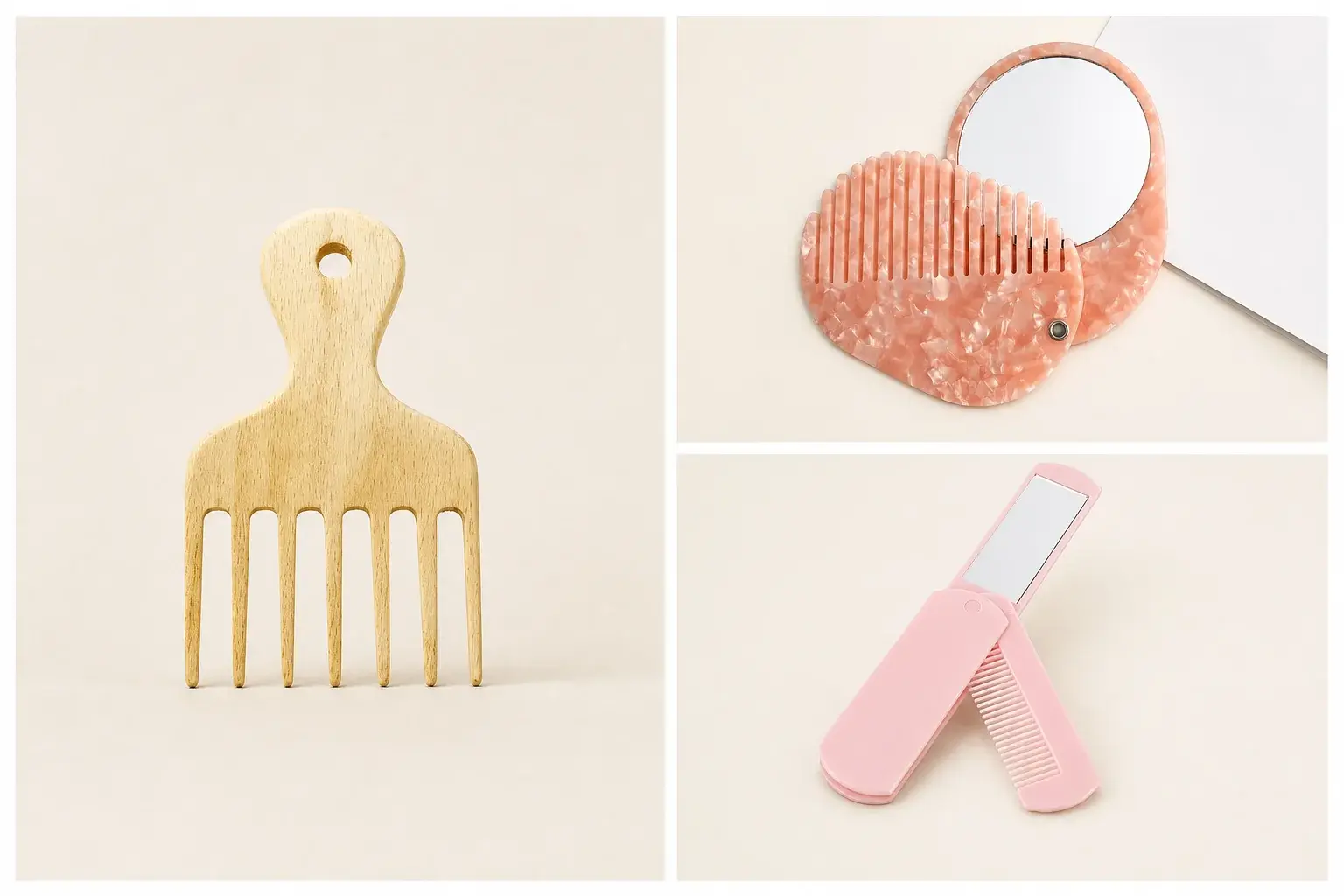
A private label project usually begins with an existing or available comb format. The buyer selects the product and adapts the market-facing parts through color, logo, packaging, or another limited change. This can remove much of the structural development, though it does not make every customization available.
This route can fit several practical uses.
- A grooming brand testing a new category
- A salon or barber brand adding a branded tool
- A hotel specifying an individually packed amenity
- A retailer or distributor building a product range
- A gift or promotional company preparing a branded order
Available shape does not mean unrestricted options. The material and surface determine which logo methods are suitable. Material sourcing and production route affect whether a Pantone color can be matched at the requested quantity. The selected package has its own dimensions, artwork, and minimums.
Private label is useful when the available comb already meets the main product need. If the buyer changes the tooth layout, handle, folding structure, or another part of the geometry, the project may move into new product development even if the branding stays simple.
Compare the work behind each route
| Question | OEM | ODM | Private label |
|---|---|---|---|
| Starting point | Buyer drawing, approved reference, or detailed specification | Product goal and development brief | Available comb selected by the buyer |
| Main work | Feasibility review, sampling, manufacturing, branding, packing | Option review, drawing, material and structure development, sampling | Product selection, color, logo, and packaging adaptation |
| Buyer approval | Feasibility changes, sample, and production references | Direction, drawings, materials, samples, branding, packaging | Selected comb, available options, branding, and packaging |
| Main risk | Incomplete files or unrecorded feasibility changes | Vague product goal or undefined development deliverables | Assuming every color, logo, material, or pack is available |
The table is a planning guide. Supplier responsibilities and buyer responsibilities still belong in the quotation, development record, and order documents. A project can also combine routes. An available comb may use private label product selection while its packaging requires new development.
Choose from the decisions still open
The simplest way to choose a route is to count the decisions that remain open. Walk through these questions with the supplier.
- Is there a dimensioned drawing or only a visual reference?
- Is the comb structure fixed or open to available options?
- Which material, color, finish, and functional details are fixed?
- Is new tooling being considered?
- Who prepares and approves the logo and packaging artwork?
- Which development stages and revisions are required?
- What files, drawings, and tooling will be created, and what terms apply to them?
- Are confidentiality, exclusivity, testing, or destination-market documents required?
- Which approved sample and document versions control production?
A buyer with a complete production drawing will usually lean toward OEM. A buyer with a clear user need and several open product decisions may need ODM support. A buyer who accepts an available shape and mainly needs brand adaptation may be ready for private label. The open decisions reveal the route more reliably than the word used in the first email.
How LuxoComb records the project
LuxoComb can review the brief, prepare a drawing or rendering where applicable, confirm material and color, arrange mold development when required, make a sample, manufacture the approved comb, apply branding, pack the product, and inspect the order. Each project uses the parts of this process that its specification requires. The agreed scope should be recorded before the relevant stage begins in the brief-to-production process.
The confirmed starting MOQ is 50 pieces. Sample lead time is 15 days, and bulk production lead time is 28 days after sample approval. Special materials, structure, tooling, logo, packaging, versions, tests, documents, and specification changes may affect the final quantity, cost, or schedule. The guide to custom comb cost and lead time explains those dependencies.
These starting points apply across OEM, ODM, and private label. The route name does not create a separate promise about price, speed, or ownership. The product and recorded work determine the final project terms.
Write a responsibility sheet
Before approving a quotation, add a one-page responsibility sheet to the project record. Keep it practical and name the actual files, decisions, and people involved.
- What the buyer supplies before development begins
- What the supplier prepares and in which file format
- Who approves drawings, materials, color, samples, branding, and packaging
- What tooling or development work is included
- Which revision or change conditions create another review
- What terms apply to files, tooling, confidentiality, and exclusivity
- Which sample and document versions control production and inspection
If the sheet can be completed, the route is clear enough to quote even when the parties use different terminology. Read the LuxoComb custom comb manufacturing overview and the brief-to-production process, then send the product inputs and open decisions together.